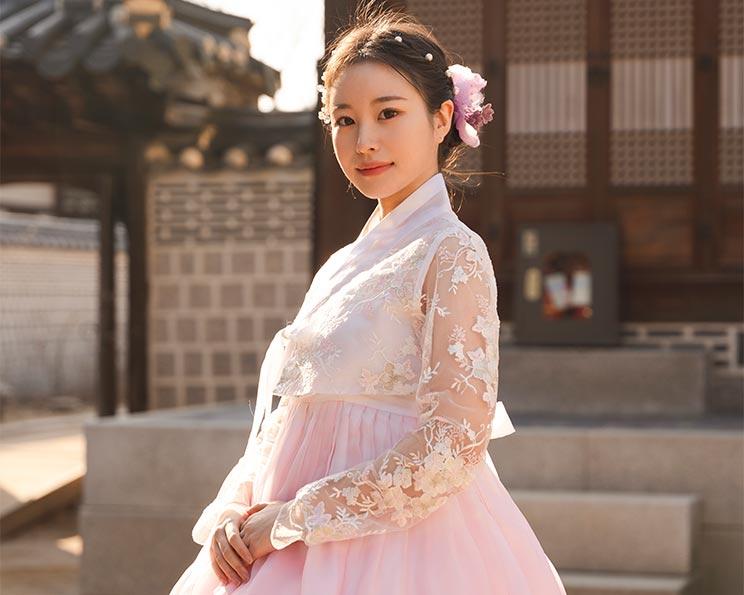
South Korea is a land of vibrant culture and history, where traditions seamlessly blend with modernity. One of the most striking symbols of this cultural fusion is the hanbok, the traditional attire that has been an integral part of Korean society for centuries. In this blog post, we'll embark on a journey to explore the beauty and significance of Hanbok fashion in South Korea.
Origins and Evolution
The history of hanbok dates back to the Three Kingdoms period (57 BC – 668 AD). Over time, it has evolved, influenced by different dynasties and foreign cultures. The hanbok seen today reflects the culmination of these influences, featuring exquisite designs and patterns.
Components of a Hanbok
A traditional hanbok consists of several components:
1. Jeogori: The top, usually short and fitted, with a wrap-around style.
2. Chima: The skirt, which flows gracefully and is often voluminous.
3. Baji: Loose-fitting pants, typically worn under the skirt for comfort.
4. Durumagi: A long outer jacket, often worn in colder weather.
5. Norigae: Decorative ornaments, usually hanging from the ribbon of the jeogori.
Symbolism in Hanbok
Every element of a hanbok carries symbolic meaning. For instance, the vibrant colors and intricate patterns reflect one's social status, with brighter colors reserved for special occasions. The use of knots and ties symbolizes unity and balance.
Modern Hanbok: A Revival
While hanbok has deep roots in tradition, it has undergone a revival in recent years. Modern designers are reimagining hanbok to make it more accessible and versatile for contemporary wear. You can now find hanbok-inspired pieces for various occasions, from casual outings to weddings and formal events.
Korean Celebrities and Hanbok
Celebrities and fashion influencers in South Korea have played a significant role in popularizing hanbok. They often use hanbok for red carpet events and photoshoots, showcasing its timeless beauty to a global audience.
Hanbok in Daily Life
In South Korea, hanbok is not just reserved for special occasions. Some individuals choose to incorporate elements of hanbok into their daily wardrobe. Modern hanbok-inspired clothing, like fusion-style dresses and suits, offer a perfect blend of tradition and contemporary fashion.
Hanbok Experience: Trying it On
For tourists and curious learners alike, South Korea provides an opportunity to experience hanbok firsthand. Many shops offer hanbok rental services, allowing visitors to explore the streets of Seoul or historic palaces dressed in these elegant garments.
Hanbok fashion in South Korea is not merely clothing; it's a living testament to the nation's rich history and enduring traditions. Its timeless elegance and adaptability have allowed it to transcend generations, captivating the hearts of Koreans and enthusiasts worldwide. As South Korea continues to embrace its cultural heritage, hanbok remains a symbol of the nation's unique blend of past and present. So, whether you're a fashion aficionado or a history enthusiast, the allure of hanbok is bound to leave a lasting impression.
Comments
Post a Comment